
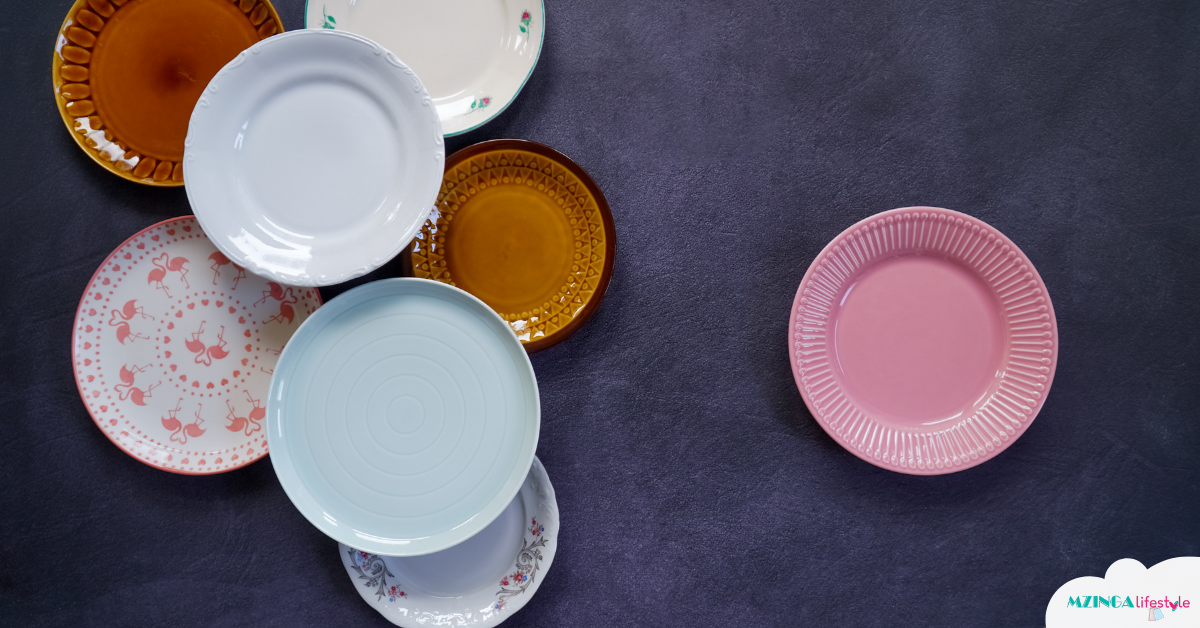
The type of food, portions and plate size are the standard metrics for most culinary experiences. But have you ever thought about the colour of the plate? Does the color of your plate matter much to your dining experience?
As it turns out, it does and here are a few reasons why
-
It affects your appetite
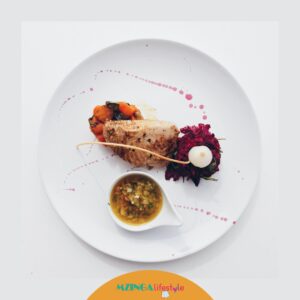
A common thought is that the size of the plate determines how much food one can serve and eat. However, a recent study showed that people are likely to eat more food if there is little to no color contrast between the food and the plate. Therefore, estimating quantities would be difficult if the white rice was served on a white plate. It is known simply as the Delboeuf Illusion and can lead to food service of up to 22% more than when the color contrast is higher.
-
The color of your plate sets the theme of the table setting and the mood for the meal
Unbelievably, the mood at themed table settings is determined by the décor as well as the color of the tableware. Conventional china is no longer regarded as fancy on all occasions, hence choosing a color is an essential part of the process. Here is how some colors affect your mood.
- White and lighter tones – They are a great and timeless choice of tableware because they are versatile. The lack of color has the plate highlighting the food and the beauty of the ingredients.
- Bright Tones – Just like the white plates, brighter colors are more of statement pieces and incredibly complimentary especially to colorful meals.
- Pastel Tones (mint green, baby pink and sky blue) – These colors have a softer feel to them reminiscent of homemade meals with a hint of nostalgia for one’s childhood.
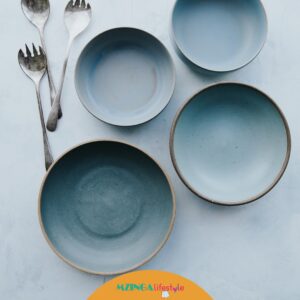
4. Patterned Rims – When it’s just the rim, the plate acts as a complementary element to the food, making colorful food even more aesthetically pleasing. Simple food is transformed drastically, especially when the patterns occupy the entire edge of the plate.

5. Earthy Tones (browns and greens) – These naturalistic colors have a grounded and environmental feel to them, essentially promoting the wholesome nature of the food presented.
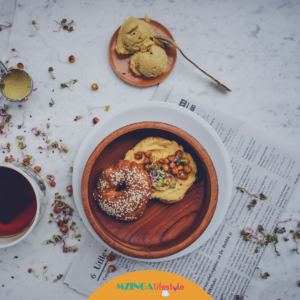
6. Black and Darker Tones – As the color offers a striking impression on any table, darker plates psychologically register when portions are involved. Unlike white crockery, black gives a clearer perception when dealing with brighter foods such as rice and pasta

Colors are a big part of how we express our personalities, moods, and opinions on various life aspects. You might think that such aesthetics would remain as part of a public facade, and you would be wrong to think so. These color preferences have seeped deeper into our lives and are now being experienced in our culinary habits. To put it simply, the preferred aesthetics of tableware is simply an extension of our personality following years of bias.
Essentially, there isn’t any right or wrong when it comes to crockery colors. So as long as you have the pros and cons, we trust you to make an informed decision.